- ISRA & LSRP
- NJDEP Preliminary Assessment
- NJDEP ISRA Process
- ISRA Process
- Preliminary Assessment
- ISRA Applicable Business
- ISRA Letter of Non Applicability
- Auto Repair & ISRA
- LSRP
- New Jersey LSRP Program & Regulations
- Frequently Asked LSRP Questions
- NJDEP LSRP Program
- NJDEP ISRA LSRP Process
- NJDEP Compliance Assistance Alert
- Lead
- Mold
- Mold Facts
- Mold FAQ
- What is Mold
- Types of Mold
- Mold & Allergies
- Mold Inspection
- Mold Due Diligence
- Mold Inspection & Remediation
- Mold Professionals
- Should I get a mold inspection?
- How much does a Mold Survey Cost?
- Mold & Indoor Air Quality
- Mold Remediation
- Curren Mold Remediation
- Townhouse Condo Mold Remediation
- Mold Spore Trap Air Sampling
- How to interpret Mold Test Results
- Mold Frequently Asked Questions
- Mold Inspections & Mold Prevention
- Tanks - Residential
- Tank Sweep Due Diligence with GPR
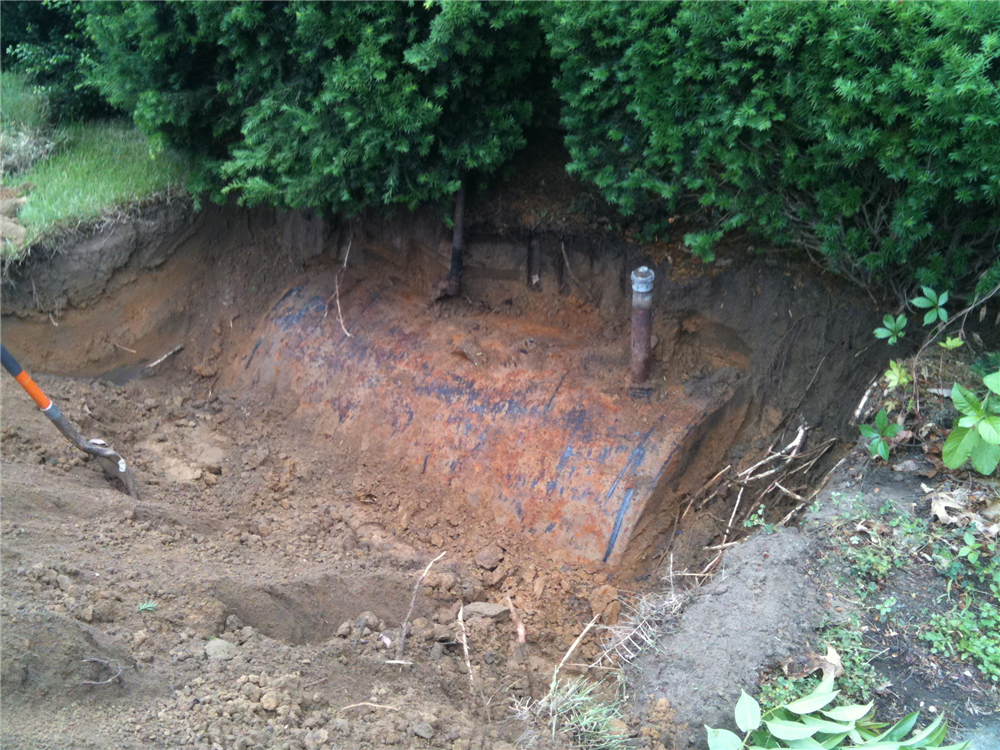
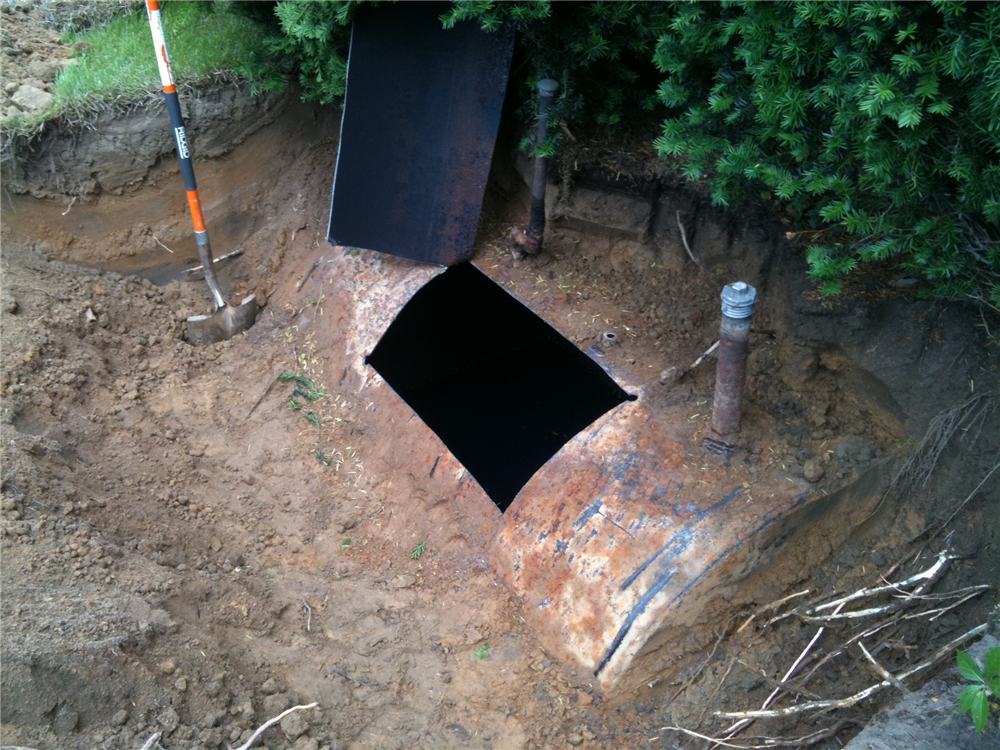
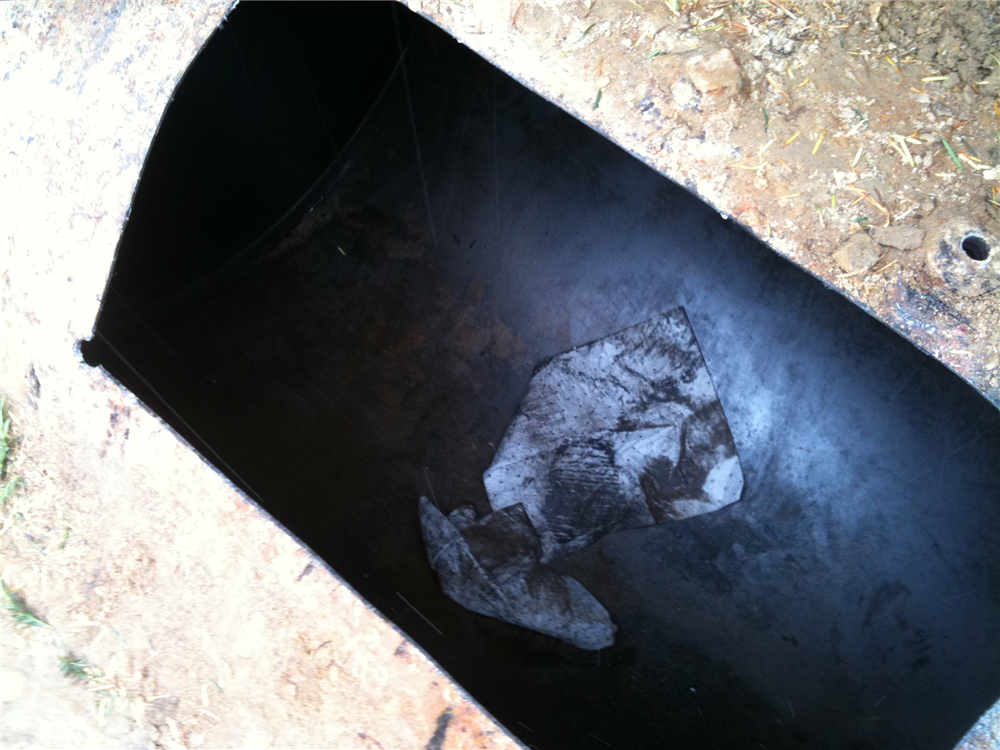
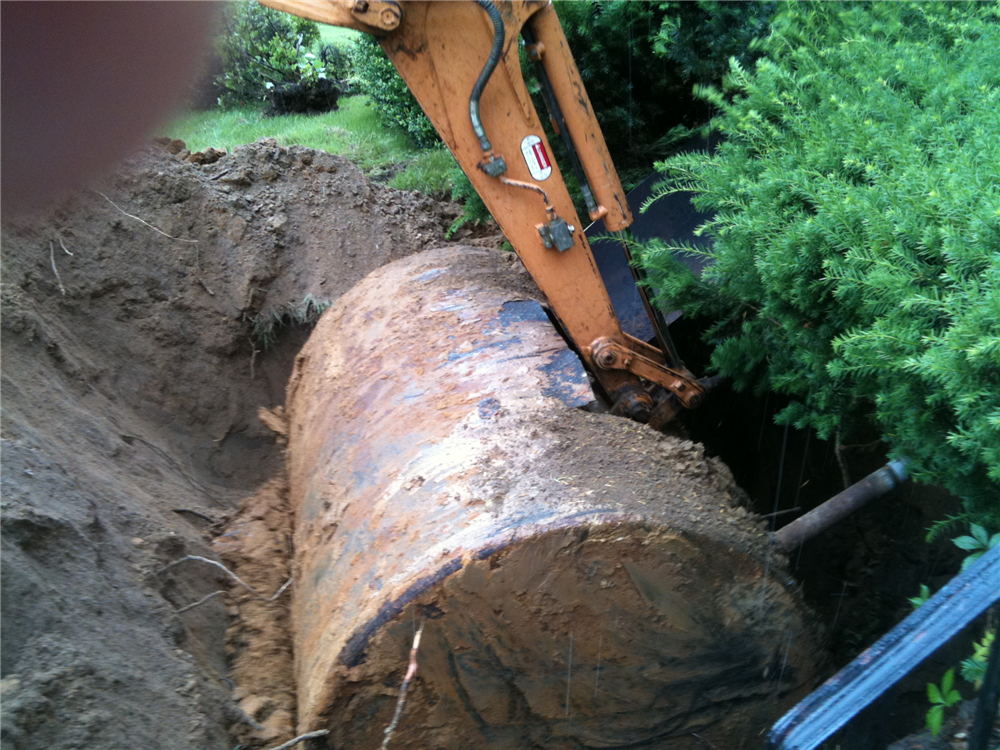
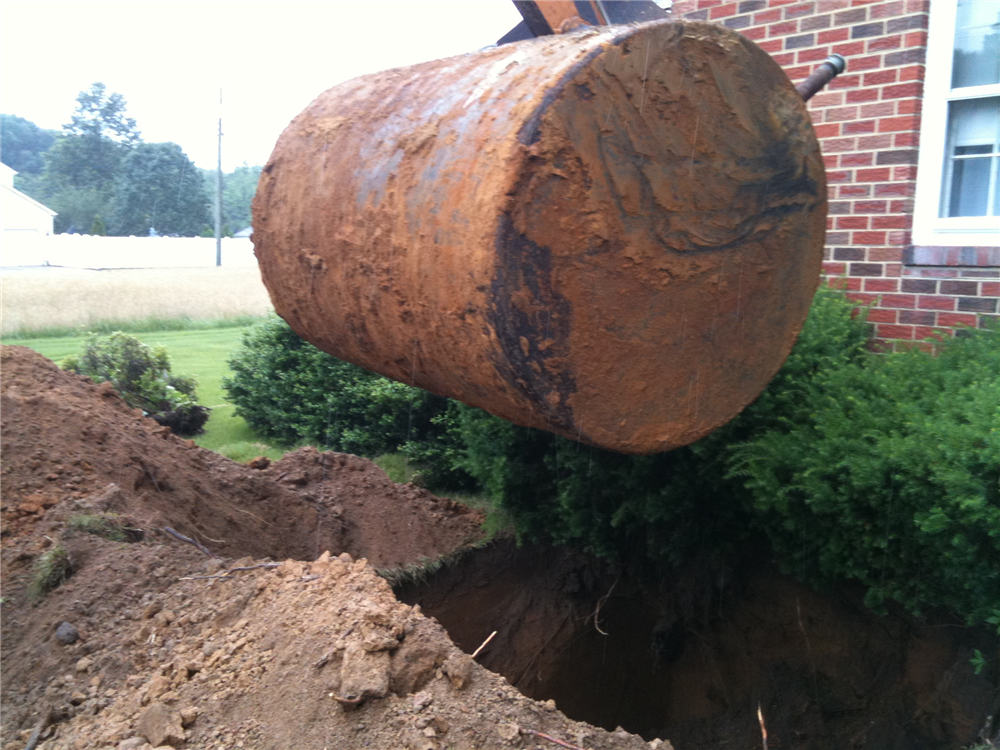
- Company Facts on Removing an Underground Oil Tank
- Heating Oil Tank Systems HOTS
- Risk of buying a house with an Oil Tank
- Oil Tank FAQ
- Residential Oil Tank Removal
- Crawlspace Tank Removal
- Tank Experts
- Find Hidden Tanks with GPR
- What you need to know before you remove your oil tank.
- Does the home I am buying have an oil tank?
- Oil Tank Removal New Jersey
- NJ Oil Tank Removal
- Oil Tank Removal Pennsylvania
- Oil Tank Leaks Pennsylvania
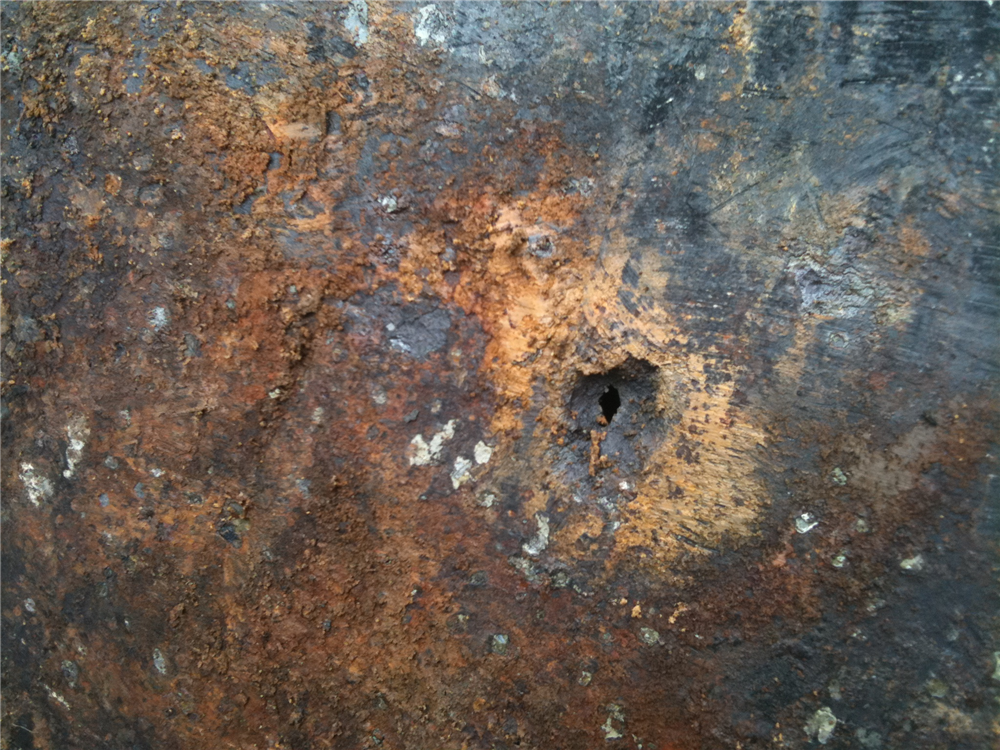
- Leaking Oil Tanks
- My Oil Tank Leaked
- How Much Does Oil Tank Removal Cost?
- What you should know before you remove a tank
- Oil Tank Removal
- New Jersey Tank Regulations
- How long does it take to remove an oil tank?
- Buying a Property with an Oil Tank
- Selling a Property with an Oil Tank
- 10 Things to Know About Oil Tanks
- Tanks Previously Abandoned In Place
- Tank Abandonment in Place Foam tank Filling
- My Oil Tank Leaked
- Heating Oil Underground Storage Tanks Frequently Asked Questions
- Tanks - Commercial
- Oil Tank Grants
- Oil Tank Remediation
- My Removed Oil Tank Leaked
- How much does an oil tank cleanup cost?
- How do you remediate an oil tank leak?
- My Oil Tank Leaked
- Oil Tank Testing
- Oil Tank Leaks - What you Need to Know
- Age Dating When a Petroleum Discharge Occurred
- Tank Cleaning
- Locating Underground Tanks
- Aboveground Storage Tanks
- Phase I
- Phase I ESA
- Phase I FAQ
- What is a Phase I
- Why Perform a Phase I
- What Does a Phase I Include
- Environmental Due Diligence
- How much does a Phase I Cost?
- Phase I Environmental Frequently Asked Questions
- Phase I, II & III Environmental Site Assessments
- Phase II Costs
- Who requires a Phase I ESA
- What is a Phase III
- What Does a Phase I Include
- Phase II FAQ
- Real Estate
- Remediation
- What is a Phase II
- Phase II Costs
- Locating Underground Tanks
- Selling a Property with an oil tank
- Buying a property with an oil tank
- My oil tank leaked, what do I do now?
- Tank Previously Abandoned In Place
- Commercial Real Estate
- Pennsylvania Act 2 Land Recycling Program
- Common Types of Mold
- Mold Remediation and Inspection
- Oil Tanks & As Is Real Estate
- Environmental Issues in Residential Real Estate
- Pennsylvania Act 2
- Environmental Due Diligence
- Helical Piers (pilings) for Housing Raising & Supp
- Services
- Commercial Real Estate
- Environmental Investigation
- Hydraulic Lift Removal
- Ground Penetrating Radar (GPR) Surveys
- Geoprobe
- Helical Pier Installation
- Geologic Investigations
- Insurance Company Services
- Mold Testing & Remediation
- NJDEP Preliminary Assessment
- Pennsylvania Act 2 Land Recycling Program
- Remediation
- Soil & Ground Water Testing
- Tank Testing
- Helical Piers for Housing Raising & Supp
- PA Act 2
- Aging Dating Petroleum Discharges
- Insurance Company Services
- Propane Tanks
- Blog