

All inspections fall into the encompassing Due Diligence category. Meaning you are doing a thorough evaluation of a property to find issues that can devalue a property. But what environmental issues devalue a property and allow you to negotiate the price, and what evaluations are more of an FYI?
On a pure disclosure basis, anything a buyer finds wrong with a property that is disclosed to the owner is required to be disclosed to any future purchasers of the property. This is assuming you don’t follow through with the purchase. This is not an ideal situation, being a buyer spending money to evaluate a. property and the sale does not go through, but it happens. Realize that you, as the buyer, have some leverage to negotiate concessions based on the presented issues. This is based on the fact that if the seller does not update their disclosure with the presented defects, the courts have ruled against sellers in court cases for concealing issues.
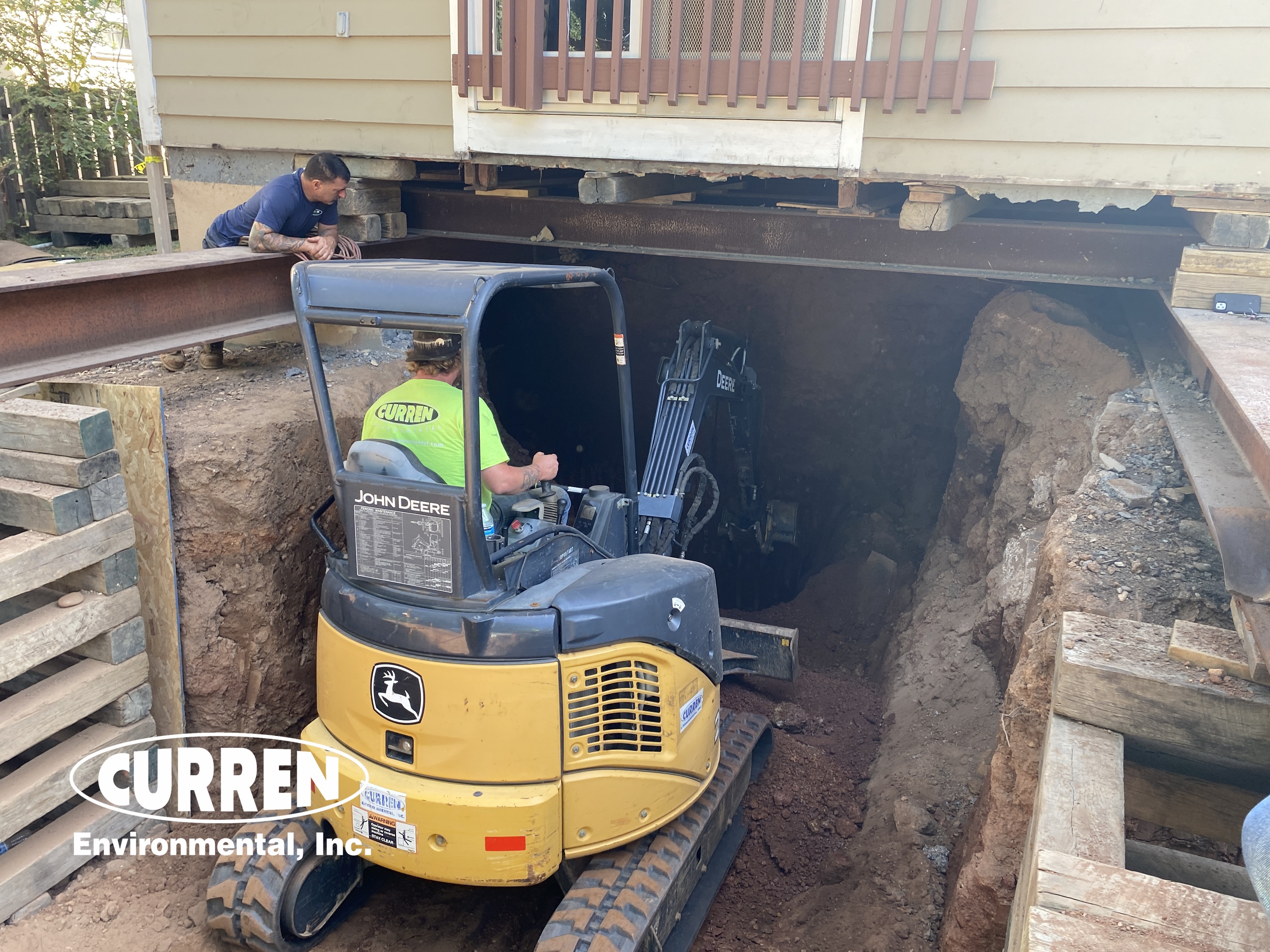
Performing a tank sweep on a property, meaning scanning a property for hidden buried oil tanks, can return tens of thousands of dollars in payback. You see find a hidden buried tank on a property you are buying could trigger the owner spending $2,000 to $5,000.00 to address an average tank. If the tank leaks? Well, the seller could have to spend anywhere from $10,000 to $100,000.00 to clean it up.
What if you find lead paint in the home? Well, it’s generally assumed that prior to 1978 a home could have lead paint or stain somewhere in the house. The same home also likely has multiple coats of non-lead paint covering the lead, thus providing a buffer to human contact. Knowing where the lead is important if you plan on renovations, but using knowledge of lead paint in a home you're buying is not a common negotiating point. Generally, managing lead paints and stains falls into the renovation budget, assuming it is in good shape at the time of purchase
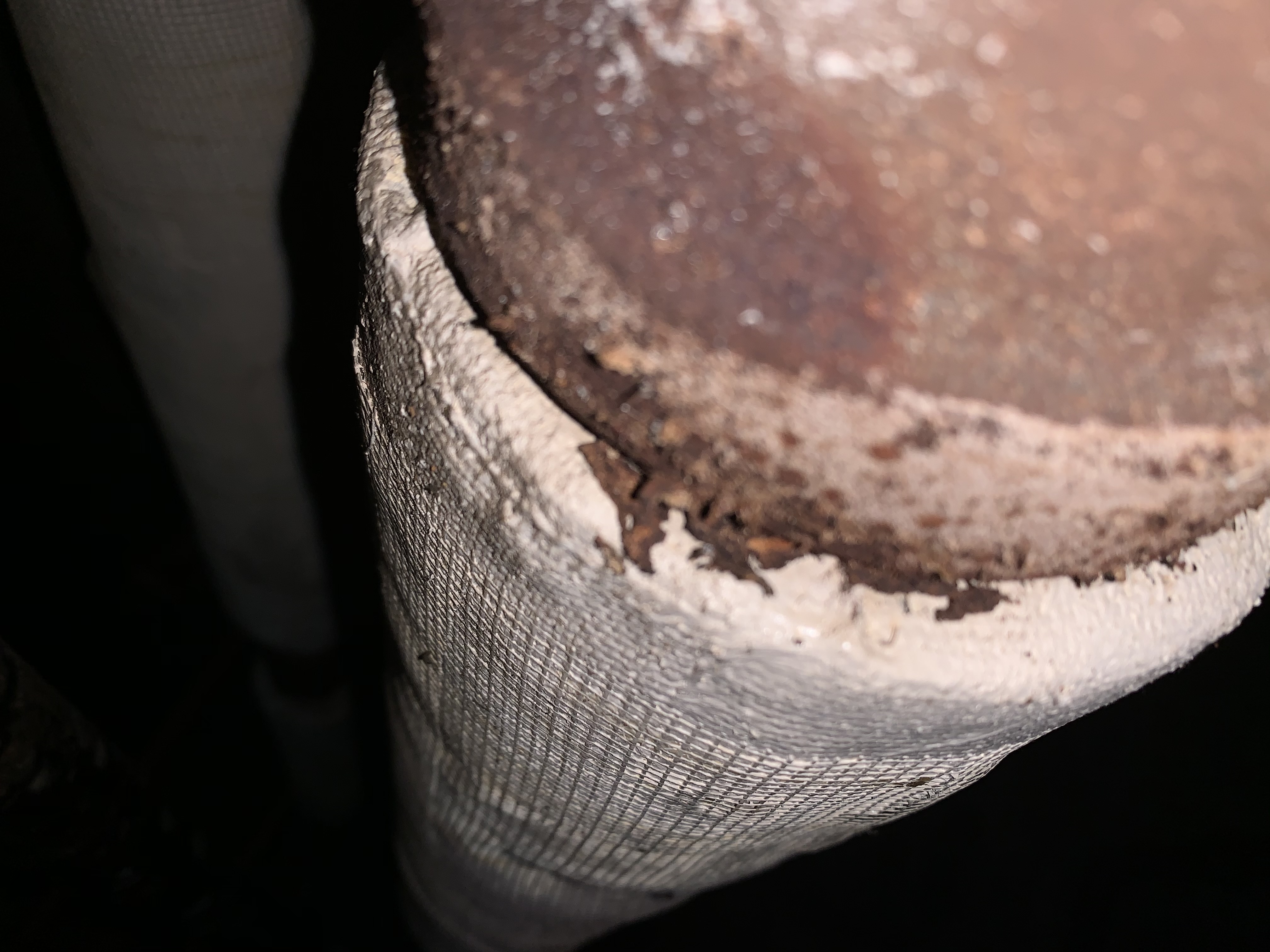
Finding asbestos, contingent on the condition, can warrant a concession from the seller. Examples of where monies should be negotiated are when asbestos-containing material (ACM) is present in friable shape, deteriorated shape, or in a condition that would allow asbestos fibers to become airborne. You may also find an old boiler or furnace that was left for no apparent reason. Typically, these fixtures are left in place due to the cost of removal, and many have asbestos on gaskets, doors, and insulation. Someone’s cost-cutting should not be your future expense. Asbestos on pipe insulation in good shape can remain in place, and trust me, if you can see the insulation on the pipes, it’s also in the pipes in the walls, so it's throughout the dwelling.
Radon is a leading cause of lung cancer and can be managed for several thousand dollars. Finding radon should trigger a remedial system being installed to mitigate the radon. Although the EPA does not mandate remediation, radon is a known health hazard and should be addressed by the seller.
Finding mold saves the buyer this expense. 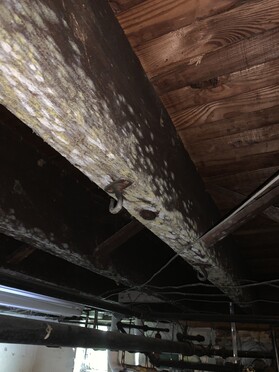 Mold, again an indoor air contaminant, is a known health hazard. Finding mold should trigger a remedial approach. Know this: any mold you find is a byproduct of excess moisture, so mold is the byproduct, not the cause. Remediating mold means addressing the moisture issue(s) and then remediating the mold. Mold remediation can run from a low of say $800 to more than $20,000.00.
Environmental Due Diligence Questions?
Call the experts.