
Hot Environmental Topics

Is Mold Making You Sick? What Every Homeowner Needs to Know

Aug 24, 2026, 10:22:00 AM / by Tiffany Byrne posted in Mold Testing, Mold, Mold growth, mold remediation, Mold Inspection

0 Comments

 Indoor Air Quality

Where there is water, there can be mold — and the health consequences are more serious than most people realize. Here's what the science says, and what you can do about it.

 
  • 70%  of homes we inspect have some form of mold issue. 
  • #1 Route of exposure is breathing in airborne spores
  • 0 issues found without a professional inspection
The Basics

Mold is a byproduct of moisture — and it's more common than you think.

Mold doesn't appear randomly. It follows water. Anywhere excess moisture exists — whether from a slow leak, condensation, flooding, or high humidity — mold can take hold. And once it does, it produces compounds that can affect your health in ways that are only now being fully understood.

We find mold issues in approximately 70% of the properties we inspect. Some cases are minor. Others are significant. But every single one was only discovered because someone asked for a professional evaluation.

⚠ Key Risk Factor

If you have water-damaged building materials anywhere in your home, you should expect some form of airborne toxin indoors — even if you can't see or smell anything. Indoors, you're recycling that air. Outdoors, natural dilution reduces exposure. Inside, there's no escape.


Health Impact

How mold gets into your body — and what it does there

Most mold exposure happens through inhalation. Mold spores are readily airborne, and once inhaled, they can cause a spectrum of health problems ranging from mild allergic reactions to serious systemic disease.

For people with weakened immune systems, the stakes are even higher. Invasive mold infections (IMIs) occur when fungal spores enter the bloodstream. Specialized blood tests can detect mold DNA or antibodies — including IgG and IgE — to identify exposure to specific species like Aspergillus.

Beyond spores, active mold growth produces off-gassing compounds — specifically, microbial volatile organic compounds (MVOCs) and mycotoxins — that are toxic to humans even without direct spore contact.

"Mycotoxin exposure is linked to immune dysregulation, neurological disorders, and cancer. Yet it remains one of the most overlooked indoor health hazards."

The Culprits

Three molds you need to know — and why they matter

Stachybotrys
High risk

Requires constant moisture to grow — a sign of long-term water damage. Produces satratoxin, a trichothecene mycotoxin linked to brain inflammation, neurotoxicity, fatigue, nosebleeds, chest pain, and fever.

Cladosporium
Moderate risk

A common outdoor spore that becomes dangerous at elevated indoor concentrations. Produces neurotoxic MVOCs linked to severe headaches, seizures, and excessive sleepiness. A serious concern for asthmatics.

Aspergillus
High risk

Commonly found on wood and drywall. Causes immune suppression, is classified as carcinogenic, and is hemolytic — meaning it can destroy red blood cells.


If You've Had Positive Lab Results

Your lab found mold markers. Here's what to do next.
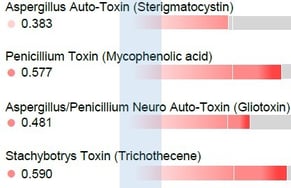
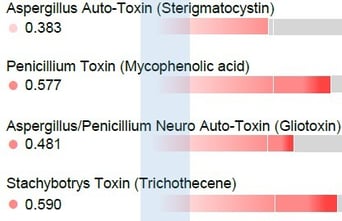
mold in blood workIf blood tests have revealed mold antibodies or DNA in your system, the next step is to evaluate your home environment. The source of exposure won't go away on its own — and your health won't fully recover until it does.


  1. Schedule a professional mold inspection. A certified inspector will assess your home systematically, not just visually.
  2. Request air sampling in every room you frequently occupy — bedroom, living room, kitchen, basement. Each sample either rules out exposure or helps locate the source.
  3. Review the findings. Some areas will be cleared; others will reveal elevated spore counts or specific mold species that confirm the problem.
  4. Remediate and retest. Once mold is removed by a qualified professional, post-remediation air testing confirms the environment is safe.

Properties are regularly bought and sold without ever having a mold inspection performed. Don't let that be your home — and don't let a past purchase become a long-term health liability.
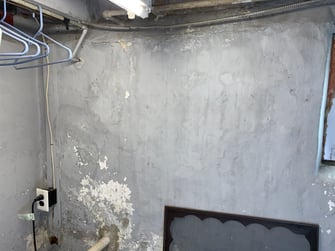
Think you might have a mold problem?

A professional mold inspection is the only way to know for certain. Our team performs comprehensive air sampling and detailed reports — so you have real answers, not guesswork.

Read More

Mold in your blood work?

May 26, 2026, 12:29:59 PM / by David C Sulock posted in Mold Testing, Mold, Mold growth, mold remediation, Mold Inspection, invasive mold infections, antibodies (IgG/IgE), Invasive Mold Infections (IMI)

0 Comments

Mold in your blood work?

Where there is water there can be mold. Mold is a by product of excess moisture.

mold in blood tests


Mold in the blood, or invasive mold infections (IMIs), occurs when fungal spores enter the body. People with weakened immune systems can get invasive mold infections (IMIs). For example if you are immunocompromised you will be more susceptible.


Specialized blood tests can detect mold DNA or antibodies (IgG/IgE) to identify mold exposure. Testing for example could find Aspergillus, a type of mold.. Most IMIs are caused by breathing in (inhaling) mold spores which are readily airborne.

Part of the life cycle of molds is the production or off gassing created by the active growth of mold. Compounds produced by mold consist of Microbial Volatile Organism Compounds (MVOCs) and mycotoxins.

If you have water damaged building materials,i you should expect some form of airborne toxin indoors. The levels will be higher and humans more suspectable to indoor expose to these toxins, simple because indoors you are recycling air where outdoors you experience a dilution factor to the toxins.

If have been tested and mold markers were found in your lab work, you need to evaluate for the presence of mold. This typically starts with a mold inspection and air sampling of your home to determine if mold is present. Expect multiple air samples all of which will be obtained in rooms you frequent, such as your bedroom, family room, kitchen, basement, etc. The findings will rule out areas for mold exposer or find the smoking gun so to speak.

It is documented that mycotoxin exposure can cause immune dysregulation, neurological disorders, cancer, and other health issues. How can you be exposed to molds toxic off gassing? Well it depends on the environment where the mold is growing.


For example let’s say you have mold testing performed and mold is found and one of the molds is Stachybotrys. This mold needs constant water to grow and its presence underscores a long term water issue. That said this spore creates satratoxin which is a trichothecene mycotoxin. Yes, its sounds bad and it is, exposure causes neurotoxicity and inflammation in the brain and induces apaptosis of the olfactory sensory neurons. Exposure can also cause fatigue, headaches, nosebleeds, pulmonary hemorrhage, chest pain, moist dermatitis, and fever.   It is also a wet sticky spore so more likly to be an irritantant when enghaled.

Let’s take a more ubiquitous spore, Cladosporium. Cladosporium when found in elevated concentrations in air samples they are a significant allergen. For asthmatics and people with respiratory diseases they are a large concern. . Cladosporium also produces microbial volatile organic compounds (MVOCs), which are neurotoxic. Exposure to humans can cause severe headaches, seizures, and sleepiness.


mold in blood work


Aspergillus which is commonly found growing on building materials including wood and sheetrock can cause immune suppression and is carcinogenic. It is toxic to cells (cytotoxic) and is a hemolytic mycotoxin, meaning it can destroy red blood cells.

My point being is that exposure to mold is often an overlooked health hazard, although the health hazard is well documented.  Properties are bought and sold without having a professional mold inspection performed. We find mold issues in one way shape or form in approximately 70% of the sites we inspect. Some have very minor issues, some are more significant. But all issues were only found from performing a professional evaluation.


Mold Questions?

Call the experts

888-301-1050


Read More

Subscribe to Email Updates

Lists by Topic

see all

Posts by Topic

see all

Recent Posts