

Did you know that many homes built before 1978 have lead-based paint, and lead was also used in stains and varnishes? Lead from paint, chips, and dust can pose serious health hazards when ingested or inhaled. Young children are particularly vulnerable, as they put everything in their mouths and lead paint tastes sweet.
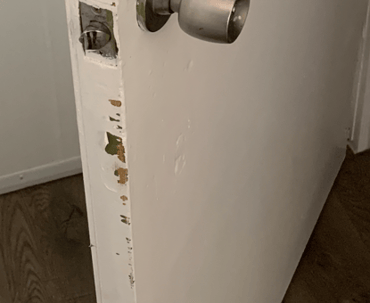
Deteriorated lead-based paint, such as peeling, chipping, chalking, cracking, or damaged paint, is a hazard and needs immediate attention. Lead-based paint may also be a hazard when found on surfaces that children can chew or that get a lot of wear and tear, such as windows and window sills, doors and door frames, stairs, railings, banisters, and porches.
Lead-based paint is usually not a hazard if it is in good, intact condition and if it is not on an impact or friction surface like a window
Before renting or buying a pre-1978 home or apartment, federal law requires sellers, landlords, agents, and rental property managers to:
Disclose known information about the presence of lead-based paint or lead-based paint hazards (or state there is none)
Provide all available records and reports on lead-based paint and lead-based paint hazards (or state there are none)
Include a specific warning statement about lead-based paint
Give buyers up to 10 days to have a certified inspector or risk assessor check for lead.
The above is known as Title X and is rarely followed, meaning executed by parties involved in a real estate transaction. people take a Laissez-faire "hands off" approach. Meaning, sure, the house may have lead in it, but we like the house. Well, this approach is not protective of human health; knowing there is a hazard does not necessarily protect you from the hazard.
If you want your house evaluated for lead and lead hazards, you will be better able to manage the hazard and protect your family. Knowing where a hazard is and if it presents an immediate hazard is a more practical approach, but it requires a trained professional to evaluate a property for said hazards.
Hire a certified lead professional to get your home tested for lead in several different ways:
A lead-based paint inspection tells you if your home has lead-based paint and where it is located. It won’t tell you whether your home currently has lead hazards or how to deal with them. A portable x-ray fluorescence (XRF) machine is used to test surfaces, with immediate results.
You can also perform a risk assessment, which tells you if your home currently has any lead hazards from paint, dust or soil, and what actions to take to address any hazards.
You can also do a combination inspection and risk assessment, which is typically referred to as a Lead Paint Survey, which is an abridged survey that tests likely suspect areas for lead paint, such as children's rooms, playroom, hallways, areas where lead paint may become liberated, and where an exposers pathway is present.
Confused? Don't be - call the lead professionals.

tells you if your home has any lead-based paint, if it has any lead hazards and where both are located