Hot Environmental Topics

Abandoned Filled in Place Oil Tank

Sep 22, 2015 11:50:00 AM / by David C Sulock

1 Comment

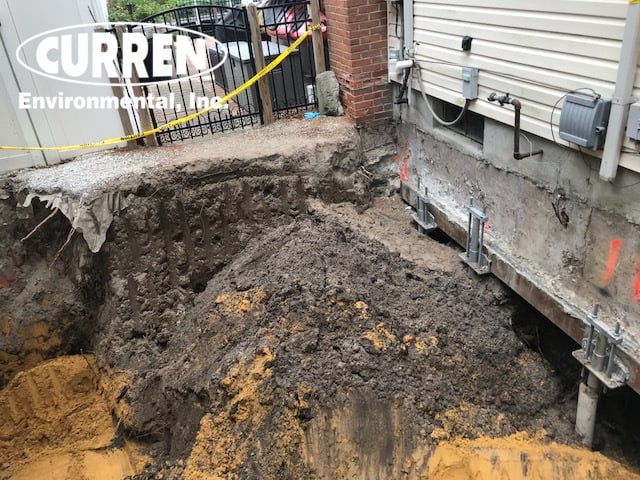
IMG_1951Is your underground oil tank filled with sand?  Like the one in the photo?  Does the permit for your tank mean it’s a safe, non-leaking oil tank? 

Many residents who have underground oil tanks have had their tanks filled. A local permit must be filed for the underground oil tank. This permit, however does not assure that the tank did not leak, and the soil is not contaminated.

At Curren Environmental, we consistently receive calls regarding properties where an oil tank was previously filled with sand. Sometimes the owner has an approval sticker from the municipal construction office, other times they do not. Sometimes the township no longer has a permit record. No soil samples were acquired at time of closure.   The local approval is always meant to document that the tank was filled however this permit does not give evidence that the oil tank is clean, safe and non-leaking.

Can the Buyers of such property request NJDEP documentation on the tank? NO, they cannot. The NJDEP will only be involved if the tank leaks and there is documentation that it did leak. Without having any sample data you have no data indicating, the tank did or did not leak. Additionally the NJDEP does not provide information on sites where tanks do not leak. Buyers are looking for evidence of the tank leaking. If samples were acquired at the original time of closure, this data would be available and a report detailing the tank removal, condition of the tank, narrative on what was performed to complete closure, map of soil samples, analytical data and discussion of the laboratory results as compared to NJDEP standards. It should be noted that soil sampling for a tank closure in 1980 or in 2015 is not required by law, in short, there is no legal driver to have testing done.  What if there was a hole in the tank at time of fill? These previously filled and closed tanks were completed to prevent a problem of oil leaking in the future. What these tank closure projects did not address was IF THE OIL TANK LEAKED?   By not obtaining soil samples, you are not answering the question if the tank leaked PREVIOUSLY. If you are a Seller, you are hoping that buyers will not question the filled and closed tank.   We call this the ostrich effect, put your head in the sand and do not look for a problem. The problem is that people are better informed now regarding oil tanks. It comes up in real estate transactions as buyers (insurance companies, lawyers, mortgage companies) want documentation that the tank did not leak. The underling purpose of obtaining this documentation is that contamination is owned by the owner of a property.

In a scenario where a Buyer knowingly buys a property with an untested tank and later finds out the tank leaks, this new owner is responsible for the remediation.   This can trigger a claim to the insurance carrier, which will be denied, as new policies typically exclude oil tank releases. People sue the carrier, the carrier defends and wins but monies are spent on a suit that was unnecessary. This scenario tilts the insurance carrier to not want to ensure a property with an untested tank. On the mortgage side, the mortgage companies do not want the borrower to encounter a financial loss that would deter them from making mortgage payments. Unfortunately, many people have walked away from properties with environmental tank leaks due to the expense of the cleanup.   Lastly, as sour grapes gestures buyers will sue the seller, thinking the seller withheld information on the tank, meaning the seller knew the tank had a problem. While I am not saying any of these situations apply to your site, these are the triggers for buyers wanting closed and filled tanks removed and tested.  

The best approach is for Sellers to address these tanks prior to a sale to maintain positive control of the project. Let’s face it if there is a problem with the oil tank it is the owner’s responsibility to address the problem. Regulations in New Jersey can be confusing and complicated.

What happens when you remove the filled and closed underground oil tanks? You have two possible scenarios, (1) if the tank was properly cleaned (i.e., devoid of all residual oil) and filled with sand, then the sand will be removed and staged on site for your use. The fill cannot be reused to backfill the tank, as NJDEP regulations require the fill material to be certified clean AND come from a virgin source. Soil removed from an oil tank does not meet the virgin source definition. If in the event that the tank was not cleaned and then subsequently filled with sand, then the sand in the tank is likely impacted with oil and will need to be properly disposed of at an off-site facility. (2) an oil and sand filled tank (No sand does not absorb oil, it is used to make glass and is not porous) that has been left unchecked will cause a problem not from the tank leaking, but rather from the tank overflowing. You see when you fill a tank with sand, you cut a hole into it to allow sand to enter. If oil is left in the tank, you have an oil and sand mix. Add rainwater entering the tank through the hole placed in the tank and you have a bathtub affect that will allow the oil and water to not mix (oil floats on water) and the oil rising to the top of the tank and overflows into the ground.   We had a situation that was identical to this, $19,000.00 later it was resolved


Abandoned filled in place oil tanks CAN BE AN ISSUE, be safe, remove the tank, have soil testing completed and properly address the issue, do not be an ostrich.

Read More

They removed my oil tank - but it leaked. What do I do now?

Sep 18, 2015 1:51:16 PM / by David Sulock posted in oil tank removal nj

0 Comments


Underground Oil Tank Removed                Leak in the Oil Tank

Underground Oil Tank (UST) removal is a once in a lifetime occurrence for the small group of people who have to undertake this project.  Of those individuals, 9 times out of ten even their friends probably have never had a tank removed.  Leaving just the few unlucky homeowners with a project that if evidence of an oil leak is found from the tank, it can quickly escalate the cost of the project.  Homeowners with no knowledge or experience in oil tank leaks or network of friends who have experience in this type of project are forced to rely on the integrity of the firm that removed the oil tank.  

Here at Curren, we constantly receive calls from homeowners who had an oil tank removed for a somewhat loss leader price of between $1,000 and $1,500. After the tank is removed the homeowner is told that the tank leaked and remediation is needed.  Usually a day or a week after tank removal, a proposal is presented for remediation, which typically is priced between $8,000and $15,000. The Homeowner contacts Curren to provide a competitive price to remediate as they were not expecting such an expense.  Being professionals we request the diagnostic or delineation laboratory testing from the tank area so we know (1) the concentration of oil in the ground is above 5100 ppm for EPH so remediation is required and (2) the extent of the oil leak (depth and length and width of the area) has been defined or delineated as is common industry parlance.  

What do we hear when we ask for hard empirical evidence, documentation that a homeowner should receive from the tank removal company?  

  1. No soil testing was done it was not in your contract.
  2. The company just knows because they have been doing this for a long time.
  3. It was a small leak as evidenced by the holes in the tank.
  4. My sniff meter (PID) says it is bad.

What all those responses really mean are “We didn’t want to waste your $120.00 to do a test and find out you really don’t have much of a problem.  We thought it was in our best interest, not yours to just tell it is bad and give you an expensive quote to remediate and in all honesty, we do not even know if you need remediation.  If we did test the soil and find out the levels are below 5100 ppm (which is a fair amount of oil) you probably would not need to remediate and we would not make as much money.

The field meter they use to tell you there is oil in the ground.  Well that is more for presence or absence of oil.  There is NO correlation as to what registers on the meter in the field and what the actual laboratory result would be. 

Well, being scientific we know that those three answers are based on no factual information, except perhaps that fact that a homeowner wants to know what the cost will be when they are told their tank leaked.  Uncertainty is not a desirable feeling regarding a problem that you often hear can cost tens of thousands of dollars.  $8,000 or $15,000 is better than $20,000 or $40,000 so often times, homeowners are upset but also relieved, as at least they know what they are facing.  Here is the shocker they do not.  If an oil tank leaks (or you are told your tank leaks) the only way to know how far the oil has spread is one of two ways as follows:

  1. Drilling through the middle of the excavation and obtain soil samples to determine at what depth the oil tank leak stopped migrating vertically. Repeating this step on each of the four sides of the removed tank excavation to determine how far the oil has spread to the north, south, east and west.  This is called delineation.  Look at it in perspective, god forbid you are diagnosed with cancer, you will not undergo treatment or surgery until testing is done to define the extent of the cancer right? 
  1. In science, there are equations to determine all sorts of things. To determine how far a liquid such as oil will flow through a given media (the soil) you simple need the following information:
    1. When the leak occurred (number of days or years).
    2. Rate of oil leak (per day amount is most helpful).
    3. Amount of oil that leaked.
    4. Amount of rain that occurred during the leak period.
    5. The porosity of the soils where the tank is located.

With these nuggets of information, you can model APPROXIMATELY the extent to which the oil has migrated.  In any event, unless you have the information in items A thru F, how can you model the leak range?  The answer is you cannot.  You can guess, but who wants to rely on a guess?   We know you want answers right away when you are told your tank leaks, but you have to look at things in perspective and realize that without proper evaluation you cannot be accurate.

Let us circle back to your original tank removal project.  Expensive but not too bad at $1,000 to $1,500 on average is an expense most people can begrudgingly swing, particularly if it allows them to sell their house.   We often times call low ball tank removing pricing a Loss Leader (think cheap price per pound for turkeys at Thanksgiving to get you in the store) or hooking, to get people to buy the service or get on the hook so that the bigger project/expense (remediation) can be obtained.  Take a look at the contract, does it include.

  1. Cost for soil samples?
  2. Why you would want to take soil samples if the tank is found to be leaking?
  3. What soil sample results mean in relation to NJDEP regulations.
  4. A report that is supplied after tank removal to document the work and certify whether it did or did not leak?

If you do not have any of these four items and I can tell you from experience, 90% of the consumer contracts Curren reviews do not. The homeowner who signs these contracts is potentially being led down a slippery, costly slope. We often times see the next step after the owner gets their tank removed is an expensive contract to remediate, that is based on zero scientific data.  The most alarming of all this, is that on sites where Curren is brought in to investigate a reported tank leak, 80% of the time and let me say that again 80% of the time, the tank area DOES NOT REQUIRE remediation.  I stress this as a professional organization we acquire and review data, interpret the information and provide opinions based on our review of the factual information.  In full disclosure Curren, removes oil tanks, tests tank areas and performs remediations.  Of these three services, remediation is always the most expensive, so although we are happy to remove oil tanks and test tank areas, we are equally willing to remediate oil tank leaks IF IT IS WARRANTED, if there is a driver, meaning oil in the ground above permissible limits.  The NJDEP allows a certain amount of oil in the ground, did the tank removal tell you that, in writing,   verbally, probably not.

The point here is that oil tank removal and remediation of oil tank leaks (when warranted) are projects where homeowners must go into with eyes wide open.  From our experience, there is a large pool of firms that do not properly manage the exceptions of homeowners and rush these homeowners into costly remediations that are not warranted.  Yes, we know often times you are removing a tank due to a pending real estate transaction, and everything is time sensitive, but that is not an excuse to make a bad decision.

No matter where you are in the tank removal project (pre removal, post removal, possibly remediation, if you want facts, solid professional advice call Curren at 888-301-1050 or email at info@currenenvironmental.com What you have just read is what we tell homeowners repeatedly, as they feel like the firm they are talking to or have contracted with is not working in their best interest.


Read More

Why are ISRA Letters of Non-Applicability still Requested?

Sep 17, 2015 8:58:03 AM / by David C Sulock

1 Comment

The NJDEP discontinued ISRA Letters of Non-Applicability under the Industrial Site Recovery Act in April of 2008, but these letters are still requested.  Why?   Re

The Department’s Site Remediation Program discontinued the issuance of applicability determinations pursuant to ISRA on April 30, 2008.  Any application that was submitted after April 30, 2008, would no longer receive a letter of non-applicability or "LNA's" which is what they were sometimes called regarding the NJDEP’s Industrial Site Recovery Act ("ISRA"). ISRA is the New Jersey law that requires, certain applicable companies to go through a rather exhaustive clearance process for site contamination as a condition to a property sale, transfer or cessation of operations of an industrial establishment (which was historically determined by the facility's SIC code and was subsequently switched to the firms or NAICS code) that handles hazardous substances.

These letters were very valuable as a site that was subject to ISRA, can be engulfed in a lengthy environmental review process that could derail real estate transactions. The concern of being drawn into the ISRA process (The NJDEP never undertook an awareness campaign to notify regulated business that would need to go through ISRA.) created a knee jerk reaction that a letter of non-applicability should be obtained to settle any concerns that ISRA was relevant. For many years, NJDEP had issued LNA's as a service to the New Jersey regulated community so that parties knew that the business operations were not subject to ISRA.

A requirement to secure an ISRA LNA has often been a condition of a purchase agreement or a loan commitment and is frequently a standard HISTORICAL term in leases. As LNAs have long since been discontinued, often times contract language has not been updated and parties still request these letters.

Although NJDEP ISRA Letters of Non Applicability were discontinued in 2008, the outreach campaign to inform realtors, business owner, lending institutions and lawyers was nonexistent. Curren Environmental gets call monthly from parties wanting to obtain this discontinued NJDEP service.  If you want to stop dealing with outdated information and have ISRA questions, please feel free to contact David Sulock 856-858-9509, extension 151 or by email at davidsulock@currenenvironmental.com.

Read More

Health Concerns with Mold Exposure...

Jul 13, 2015 3:00:00 PM / by Tiffany Byrne

0 Comments

Health Concerns with Mold Exposure

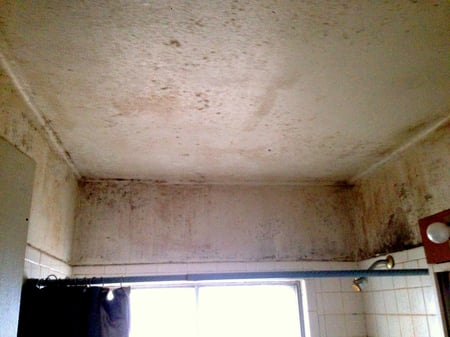
Mold_on_the_ceiling

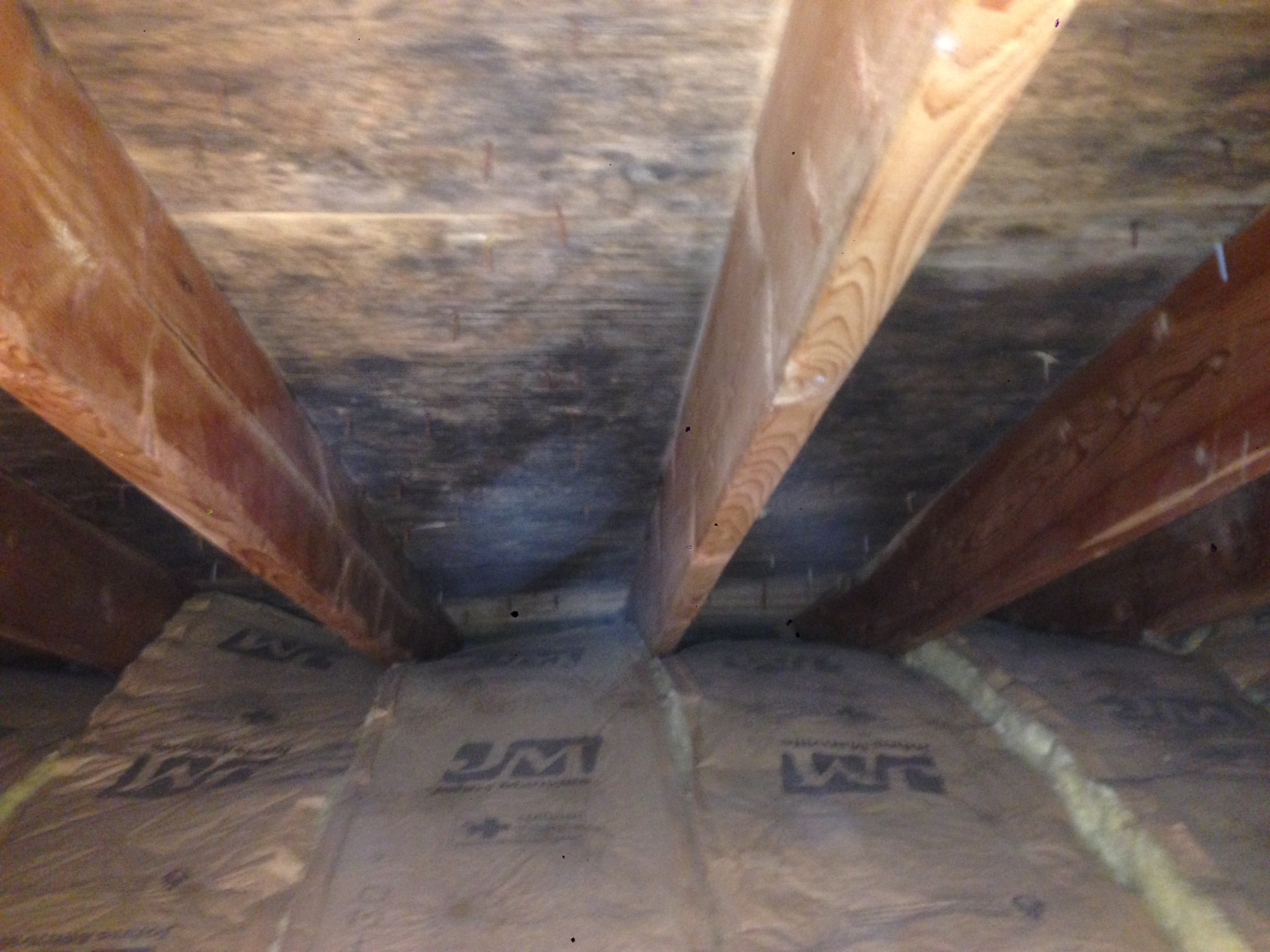
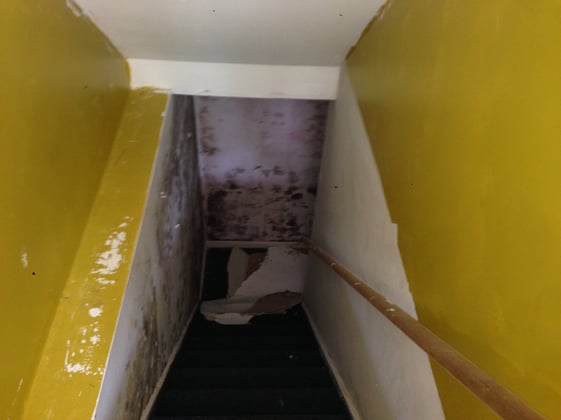
Mold emits spores and chemicals as part of their normal life cycle. Individuals near and around  Mold may exhibit health concerning reactions.  These spores from Mold are microscopic and once airborne can be inhaled easily.  These spores may contain allergens and can cause serious irritation in the nose, throat, and the respiratory tract. 

Common allergic reactions include but are not limited to:

  • Sneezing
  • Nasal Congestion
  • Coughing
  • Skin Rashes
  • Asthma attacks
  • Eye Irritation

Watery_eyes

In addition to allergens, mold can emit Microbiological Volatile Organic Compounds (MVOC’s).  These chemicals usually have a very strong and unpleasant odor and can be associated with that musty smell that many individuals equate to Mold.  These chemicals are released into the air and can also cause serious health concerns.

Common reactions to MOVC’S

  • Headaches
  • Nausea
  • Dizziness
  • Fatigue

Headache

Molds can also produce toxic substances called Mycotoxins.  Mycotoxins can be inhaled, ingested or absorbed through the skin.  Mycotoxins are potent, toxic chemicals that can cause significant health problems.

Mycotoxins can affect the following:

  • Central Nervous System
  • Immune System
  • Respiratory System
  • Digestive System

Curren Environmental, Inc.  can inspect your residential or commercial property, help define the cause of the mold and offer a solution with both mold remediation and mold prevention. Please call at 609-858-9509 or email at info@currenenvironmental.com.

For more information on Mold visit please visit Centers of Disease Control and Prevention.        

Read More

How do you certify that a removed tank did not leak?

Jun 25, 2015 7:44:00 AM / by David Sulock

0 Comments


Certify oil tank removalINTRODUCTION:  The Construction Inspection

Obtaining a municipal permit and associated inspection for tank removal is mandated by law.   Many people wrongly presume that this permit and inspection will certify that the tank did not leak.  This is not true; the local permit is for the physical act of removing a tank.  The local inspector, typically the construction or fire sub code inspector, inspects that the permit details were satisfied which is that a tank was removed. The physical act of removal (demolition) is a construction inspection.  Discharges, spills, releases and leaks to the environment fall under the Department of Environmental Protection (NJDEP in New Jersey, DNREC in Delaware and PADEP in Pennsylvania).   Environmental codes and construction codes are entirely DIFFERENT by definition.  When a tank removal receives a local approval for a tank removal, it is approving that the permit to remove a tank was completed, tank removed and excavation backfilled.   It has nothing to do with certifying that the tank did not leak.  So if you had a tank removed and your only documentation is an approval sticker from the municipal inspector you STILL need the other half (more important) of the equation which is testing that the tank did not leak.


The Environmental Site Assessment

If you want to properly document that a tank did not leak, you need to follow regulatory agency technical guidance and regulations.

 As per NJDEP Technical Guidance for Investigation of Underground Storage Tank Systems, dated July 31, 2012.  The following is directly from NJDEP regulations:

Many underground storage tanks (USTs) are managed by the Underground Storage Tank regulations N.J.A.C. 7:14B. This regulation does specifically exempt certain “unregulated” USTs from the regulation. However, these exempted USTs are still required to comply with other Department regulations including but not limited to the “Administrative Requirements for the Remediation of Contaminated Sites” (ARRCs) [N.J.A.C. 7:26C], and the “Technical Requirements for Site Remediation”, [N.J.A.C. 7:26E]. This document may be applied to all USTs when guidance is needed beyond that provided in the above regulations.

 As per NJDEP’s ASSESSMENT of UNDERGROUND STORAGE TANKS (USTs)

An underground storage tank (UST) system is an Area of Concern (AOC). When an UST is suspected of a release, when it is to be closed, removed, or when it is to be temporarily taken out of service pursuant to N.J.A.C. 7:26E and/or N.J.A.C. 7:14B, an investigation may be required. To conduct the appropriate site investigation (SI) activities, an assessment of the UST system is needed.

For tanks containing volatile organic compounds (VOCs) including but not limited to No. 2 fuel oil, diesel fuel, gasoline, kerosene, jet fuel or waste oil, field screen soil from bottom and sidewalls of the excavation as the soil is excavated. The objective of this approach is to bias sampling locations to the areas of highest contamination. If no elevated field screening readings or visual staining is noted, select the sample locations based on professional judgment.

5.2.1.1 For USTs that are removed and no ground water is encountered in the excavation, soil samples should be collected as follows:

Collect one sample from the centerline of the tank footprint for each five feet of tank length or fraction thereof. Distribute sample locations equally along the centerline of the tank footprint, and collect samples in the zone that is from zero to six inches below the bottom of the tank invert. If bedrock is encountered, collect the samples zero to six inches above the bedrock or refer to section 5.1.7 if insufficient soil is present to collect a sample. Samples should be biased to locations of elevated field screening readings and/or visual staining. For tanks that are 5 feet or less in length, one sample collected along the centerline equidistant from each end of the tank is recommended when no elevated field screening reading and/or no visual staining is noted.

Summary: Certifying Removed Tanks

For the certification of removed tanks, i.e., confirmation that the tank did not leak the company or individual providing certification must follow what these four paragraphs summarize. The NJDEP’s Technical Guidance for Investigation of Underground Storage Tank Systems, dated July 31, 2012, are the foundation for investigating a tank removal for contamination and documenting that the tank did not leak.  In short, the NJDEP requires that the tank excavation (once tank is removed) be thoroughly evaluated for a release and soil sampling be performed from the area.  These samples are independently analyzed by NJDEP certified laboratories.  The results of the analysis are then compared to applicable soil standards.

If you do not obtain and analyze soil samples from a tank removal, you are not following NJDEP guidance, so technically your case has not foundation.  Therefore, any certification provided on a tank removal without soil samples is at the discretion of the private company performing this work, a very shaky foundation indeed.  While companies can go out of business, regulatory agencies such as the NJDEP do not.  So when your certification from ABC Tank Company (true company and no longer in business) is questioned (by an attorney or an environmental professional) that the company did not follow NJDEP Technical Guidelines, you will be left holding the proverbial bag.

Obtaining soil samples at time of tank removal allows the environmental company to follow NJDEP protocol and to compare the soil sample results to applicable soil standards.  It is that simple and it provides closure to the question that the tank did not leak.  Remember, the laboratory analysis of the soil samples is completed by an independent (third party) licensed laboratory.  While companies and individuals can be licensed to remove tanks, they do not analyze soil samples so you can be sure you are receiving unbiased data.


Still have questions?  
 
Call Curren Environmental at 888-301-1050
Monday to Friday 8:00 am to 5:00 pm.


Read More

What do my mold test results mean?

Feb 26, 2015 8:53:00 AM / by David Sulock posted in mold remediation, mold cleanup, Mold Testing

0 Comments

What do my mold test results mean?

A Mold Survey involves mold sampling for the presence or type of mold. Mold sampling is completed in two ways, mold surface sampling and mold air sampling. Mold surface sampling is completed on a surface that is suspected to contain a mold like substance, this type of sampling can be completed by performing acquiring a mold tape lift sample or a mold swab sample. Both methods involve acquiring a sample of the mold like substance and having the sample analyzed by a laboratory. Your results should determine the type and quantity of mold. The interpretation of sample results pertaining to mold concentration has to be evaluated objectively, when mold is found by the analysis as you are sampling an area that has a mold like substance, which can typically represent the suspected highest concentration (worst area), otherwise why would you sample that particular area. The other type of mold sampling is mold air sampling. Mold air sampling is accomplished by running air through a laboratory containing that captures microscopic airborne particle (fungi). The sample container is then analyzed by a laboratory for mold type and mold quantity. The analysis can be studied for both viable molds, meaning the sample is studied to see if the mold spores grow or by non-viable meaning, it what is the overall type and quantity of mold found. Mold non-viable air sampling is more common as it has been established that mold spores alive or dead can be an irritant.

Learn the Facts about Mold

Once you have the laboratory analysis completed, you now have to discuss the results and what they mean. Unlike soil and groundwater samples that all states have specific government established standards, with mold there are No Federal or State Agency established concentration standards (Maximum Exposure Limits- MEL) or threshold level values for airborne indoor mold or for surface sample analysis of mold. Therefore, if you suspect there is a mold problem and have air testing or surface sampling performed, there is no regulatory standard to compare your results against. Without government standards, there is no common industry standards standard. The reason that there are no standards is that setting exposure limits or MELs would be difficult for a variety of technical reasons, which include limitations in both mold surface sampling and mold air sampling techniques, individual variability in sensitivity to microbial exposure among the human population, occurrence of different types of biological and chemical pollutants in indoor environment and limited data on the exposure-response relationship in humans. In essence, it is difficult to say who will be affected by mold spores and at what concentrations it would take to affect different people.
mold testing
Due to the lack of set government standards, the environmental consulting industry follows general principals when evaluating mold test results. On a basic level when evaluating mold air sampling data, the mold levels should be higher outside than inside. The idea behind this approach is that there are always more molds outside in the soil, mulch, plants, decomposition of organic matter, ect. outside. Aside from an indoor and outdoor comparative evaluation, you evaluate the test results for specific types of mold. This evaluation includes looking for common outdoor molds as well as molds that are more commonly found on moist building materials. Evaluation of these molds goes a step deeper by looking for so-called opportunistic molds (marker fungi), which are frequently found on long-term water damaged building materials. The presence of these molds can point to a long-term moisture issue. These opportunistic fungi include Aspergillus and Penicillium species, Acremonium spp., Sporobolomyces spp., Stachybotrys, chartarum, Memnoniella echinata, Tritirachium oryzae, Ulocladium botrytis, U. chartarum, Cladosporium spp., and Chaetomium spp. These are molds that are not typically recovered in the outside air, so when they are found outside, they are in generally low levels. Conversely when they are found indoors these molds typically point to an indoor water issue. The higher the indoor concentration of these fungi the more likely a long term water issue is present.

In summary mold testing and the interpretation of the analytical results involves the evaluation of individual types of mold you find and determining why they are present.

Finding the type of mold, while interesting it does not explain why it is present. Therefore, every mold survey and mold inspection should not just confirm the presence of mold but also why the mold present is, what created the environment for the mold to grow. The backend of mold testing and mold sampling project include an inspection for the physical presence of mold as well as for water damage.

More common mold questions and answerts can be found at: /Mold-Frequently-Asked-Questions

Read More

Buying a house with an underground oil tank (UST) an as is purchase.

Apr 1, 2014 2:21:00 PM / by David Sulock

3 Comments

“As Is” Real Estate with an Oil Tank.


As the term implies “As Is” real estate means that you are purchasing the property in the current condition the property is in.    When purchasing As Is real estate, the seller is not expected to undertake any repairs or improvements.   To enter into a as is real estate purchase the buyer must complete their due diligence and evaluate the property for defects and repairs, the cost of which needs to be accounted for in the purchase price.  Many properties that are listed for sale as is may already have a reduced market price or at least that maybe the perception of the seller.  The price reduction on the asking price typically accounts for the condition of the real estate (structure, HVAC, roof, ect).  The problem with As Is real estate is that any price reductions rarely if ever account for environmental costs.

Typically due diligence of a property involves two primary areas, one being property condition assessment (on residential sites this is accomplished by a Home Inspection) and environmental assessment (on commercial sites this is completed by performing a Phase I Environmental Site Assessment -ESA).   For residential sites, an environmental assessment can consist of inspection and testing for past and present Underground Storage Tanks (USTs), mold inspections & testing, asbestos surveys, radon testing, and well water testing.

Of all these issues, heating oil underground storage tanks create the largest financial environmental liability.  Unlike a home inspection which can range between $400.00 and $1,000.00.  The cost to determine if a tank is leaking AND when a tank is found to be leaking to determine to what extent the oil has leaked (delineation) can cost in the thousands of dollars.  The investigation to evaluate the extent of leaking oil tanks can be compared to a doctor performing diagnostic tests such as x-rays, cat scans, blood work to diagnosis a patents ailments.  In both situations a problem exists (health or environmental), which simple cannot be determined by a simple physical evaluation but testing must be performed to define the issue.  These testing costs are typically a major hurdle to a buyer.Leaking oil tank


Regulations in New Jersey place the responsibility of the remediation of a leaking oil tank on the property owner.   Most buyers mistakenly believe that if they find a tank leaking on a property they are purchasing they are responsible for the cleanup.

Residential UST Leak


Curren’s experience in successful As Is real estate transactions with heating oil Underground Storage Tanks (USTs), is that once a tank is found to be leaking, the cleanup is eventually performed by the seller or a substantial discount is given to the buyer that is in excess of the cost of remediation. This premium reduction is meant to address the management of the remediating the problem as well as the financing of paying for the problem. To actually get to this point in a real estate transaction, thousands of dollars in investigative borings and laboratory analysis is incurred so that the cost of cleanup can be developed.  Without this investigative step, the two parties cannot determine the extent of the contamination (diagnosis the problem), hence the problem with As Is real estate, it is costly to determine the future environmental cleanup expense.    Obviously, the As Is real estate sale is to the benefit of the seller as they avoid the management and cost of making repairs to a site.  Whereas a Home Inspection report can be used to obtain estimates from various construction trades (these estimates are usually provided at no cost and only require the contractor to visit the site), environmental cleanup to be scientifically accurate must be based on soil sampling that define the vertical and horizontal extent of the contamination.  This delineation provides a 3D model of the length, height and width of the area requiring remediation.     Unfortunately, environmental professions cannot simple visit a site to determine remediation cost, as the contamination is buried below ground and invisible to the naked eye.   Remediation costs can range from several thousand dollars or can be in excess of $100,000.00.   What is the difference in the expense?  Location of the discharge, the extent of the plume, duration of leak, geology, ect.  Simple put bigger areas of contamination are more costly to remediate than smaller areas. Oil tank leak 

The real estate landscape is littered with lawsuits on property transfers where tanks were not previously disclosed.  The new owner finds the tank, discovers contamination and is now saddled with the financial responsibility of the cleanup.  Lawsuits typically name prior property owners, insurance companies and parties involved in the real estate transaction.   These suits attempt to uncover if the prior owner knew of the tank and concealed or failed to disclose the existence of the tank.  Other instances are more complex where the prior owner had also bought the property without knowledge of the tank.

At Curren Environmental, we consult on environmental issues pertaining to real estate.  If  you have a question contact our office 888-301-1050 between 8:00 am and 5:00 pm EST.

Read More

Extention to LSRP May 2014 Deadline Signed by Governor

Jan 28, 2014 3:44:00 PM / by David Sulock posted in LSRP, NJDEP LSRP, LSRP Program, New Jersey LSRP, NJ LSRP Program, Finding an LSRP, LSRP in New Jersey, LSRP in NJ, LSRP costs, NJDEP LSRP Program, LSRP Deadline

0 Comments

Governor Christie has signed legislation allowing for a two year extension to the statutory requirement in the Site Remediation Reform Act (SRRA) for the person responsible for conducting the remediation of certain sites to complete the remedial investigation by May 7, 2014.  In order to qualify for this extension, the person responsible for conducting the remediation must submit to the Department by March 7, 2014 a certification acknowledging that the following criteria have been met at the time of the certification:

(1) the person responsible for conducting the remediation has retained a licensed site remediation professional to conduct the remediation of the site; (2) the person responsible for conducting the remediation has met the remediation requirements included in all applicable mandatory remediation timeframes; (3) the person responsible for conducting the remediation has made technically complete submissions in compliance with all regulations for site remediation, as applicable, for the (a) initial receptor evaluation, (b) immediate environmental concern source control report, (c) light non-aqueous phase liquid interim remedial measure report, (d) preliminary assessment report, and (e) site investigation report; (4) the person responsible for conducting the remediation has established a remediation funding source if required by the Brownfield Act (see N.J.A.C. 58:10B-3); (5) if a remediation funding source is not required to be established, then the person responsible for conducting the remediation must establish a remediation trust fund for the estimated cost of the remedial investigation of the entire site; (6) the person responsible for conducting the remediation has paid to the Department all oversight costs known at the time of the certification and for which the person responsible for conducting the remediation has not filed a dispute with the Department; and (7) the person responsible for conducting the remediation has paid to the Department all annual remediation fees and remediation funding source surcharges, as applicable.

The Department strongly recommends that action be initiated promptly to establish a remediation trust fund, if needed, due to the timing to secure this financial instrument and the statutory requirement to submit the extension request by March 7, 2014.

There are also provisions for receiving an extension to the May 7, 2014 deadline if remediation is delayed due to obtaining state funding.

Read More

When Would I Want a Tank Scan?

Jun 20, 2013 9:29:00 AM / by David Sulock

0 Comments

If you are buying a home, you will want to know for certain if there is or has been a tank buried on the property, and if it has leaked into the ground.  Many current owners often do not have knowledge if there is a tank or not, if they did not have a tank survey when they bought the house.  Often a visual inspection of the property is not sufficient to determine the presence of a tank.  It may yield clues, but a GPR survey will give you a definitive evaluation.

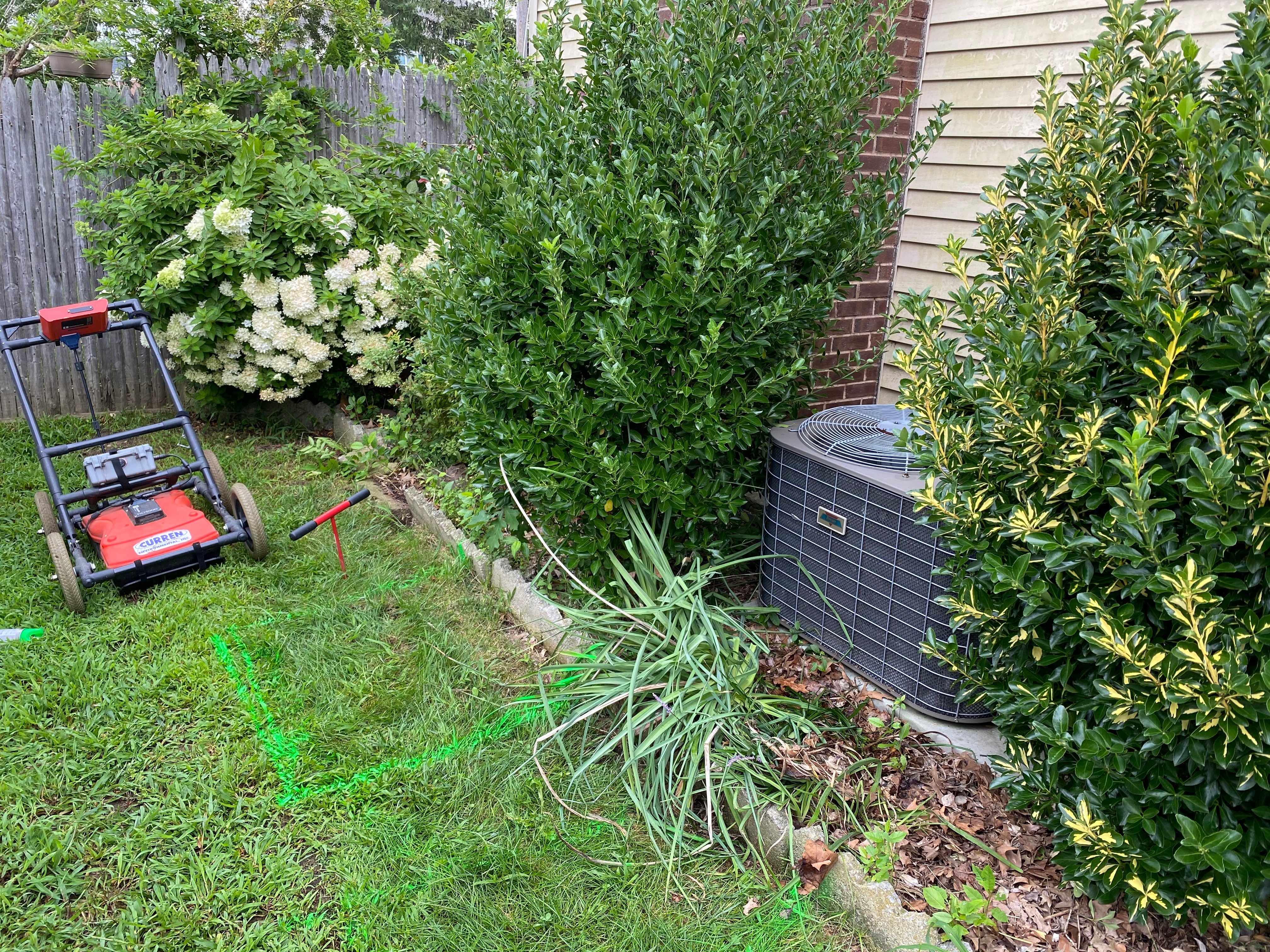
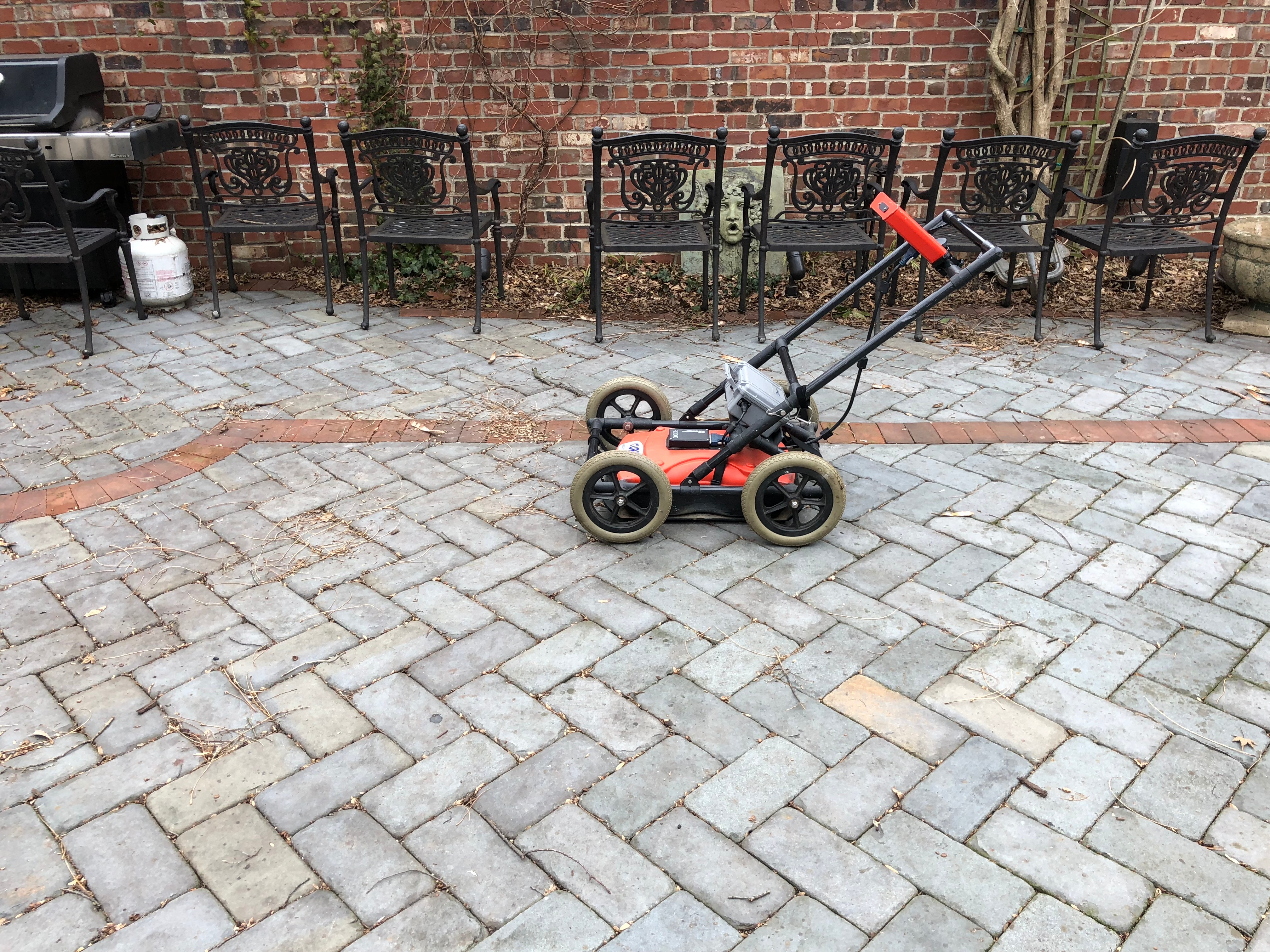
 The GPR is a sophisticated piece of equipment that sends a radar signal into the ground and will tell you where an underground tank is located.  A metal detector cannot always find the tank and is not as reliable as the GPR.  Additionally, the GPR can tell you where a former underground tank was located so the soil can be tested for past leaks.

Because the costs associated with removing the tank and any related cleanup are the responsibility of the current owner of the property, have the GPR scan before you purchase the home.  Otherwise, you run the risk of buying the property and moving in, only to discover at a later date you have an underground tank.  At that point, the removal is your responsibility and may end up costing you thousands of dollars.


Read More

Mold: Frequently Asked Questions

Jun 20, 2013 9:24:00 AM / by David Sulock

0 Comments

Q1. Why is mold a concern?

Mold is potentially hazardous to your health.  It causes a number of health concerns, including allergic reactions and respiratory problems. Persons especially susceptible to irritations from mold include the elderly, newborns, those with asthma, or a compromised immune system.  Additionally, mold breaks down organic material such as drywall and wood that can cause structural damage to a home if left to grow and spread. 

Q2. How do I know if a house I am buying has mold?

The best way to be sure if a house has mold is to have it inspected by a professional.  Often there are signs of water damage or a musty odor.  These are indications you may have mold.  Obtain the services of an environmental mold professional, who will perform an inspection of the property using sophisticated equipment to confirm the presence of mold.

Q3. Can I find the mold and just fix the problem myself?

You may see mold, but it likely is also hiding somewhere you can’t see.  Mold is often found behind dry wall, in ceiling tiles, under carpets, inside walls, around leaky pipes, in ductwork, and in attics and crawlspaces.  Investigation of hidden mold problems is best done by an environmental professional, who has the proper equipment to detect hidden mold.  If there is mold growing in an area of your home, an untrained person is likely to disturb the site and cause mold spores to spread.  Hiring an experienced professional will protect you from this mistake.

Q4. My home inspector found mold, now what?

Once you have discovered mold, you need to locate the moisture problem and correct it promptly.  Call a professional who will carefully contain the area, remove the mold, and treat the area to prevent further mold growth. In some instances they may need to check for possible structural damage.

Q5. How do you check for mold?

There are different ways to detect the presence of mold, including a visual inspection, air sampling, surface sampling, bulk testing, moisture evaluation, and borescope.  There are many different types of mold.  Laboratory testing can identify the species of mold present in your home.

Q6. Are mold levels regulated by the law?

There are no federal laws or standards regulating types or levels of mold found in a residential setting. Mold testing and remediation follows industry guidelines to remediate and test mold.

Mold Questions? Click Here

Read More

Subscribe to Email Updates

Lists by Topic

see all

Posts by Topic

see all

Recent Posts