What is a Phase II Site Investigation?
A Phase II is testing for a suspect environmental problems that were found from a Phase I. It is normally performed after a Phase I, as a Phase I is meant to identify environmental Recognized Areas of Concern (AOCs) BEFORE a property is purchased. The Phase I protects a buyer from buying a property that has environmental problems that would lower the value of the property.
A Phase II Environmental Site Assessment (ESA) is the second step in the environmental due diligence process. The first step is a Phase I ESA. A Phase II ESA addresses recognized environmental conditions (RECs) identified in a Phase I ESA to determine if contamination is or is not present. A Phase II ESA can include soil, soil vapor, and/or groundwater sampling, which will help determine if there is a presence or absence of hazardous substances and petroleum products on the site in soil or groundwater. Findings of the Phase II can also be used in negotiating the property value or require the owner to remediate when contamination is found which is a Phase III. Many sites will never require a Phase II ESA, because the Phase I would not have found any areas to investigate.
You can’t skip over a Phase I and jump into a Phase II because the Phase I outlines where and what to test for. Jumping into a Phase II without the Phase I road map means you are guessing and hoping you have all your bases covered.
When are Phase II ESAs performed?
Phase II ESAs are typically conducted prior to purchase or transfer of a property but may also be conducted by an existing owner. That way, if environmental contamination is identified, the seller can proceed with cleanup or adjust the sales price accordingly. For example, a solvent plume could cost $245,000 to $500,000 to remediate, that impacts the value of the property. Solvents also have vapor issues, which could require vapor controls for buildings on the site or for proposed building, this increases building cost for the buyer.
What field work is typical for a Phase II ESA?
There is no “typical” Phase II ESAs because no two sites are exactly the same. Phase II ESA scopes of work are specific to the site and the site history and operations. Former farm land (orchards) would trigger historical pesticide and herbicide testing, where this would not be required on sites that never had historical agricultural operations. Some common contaminants for commercial and industrial sites include volatile organic compounds, semi-volatile organic compounds, PCBs, and metals.
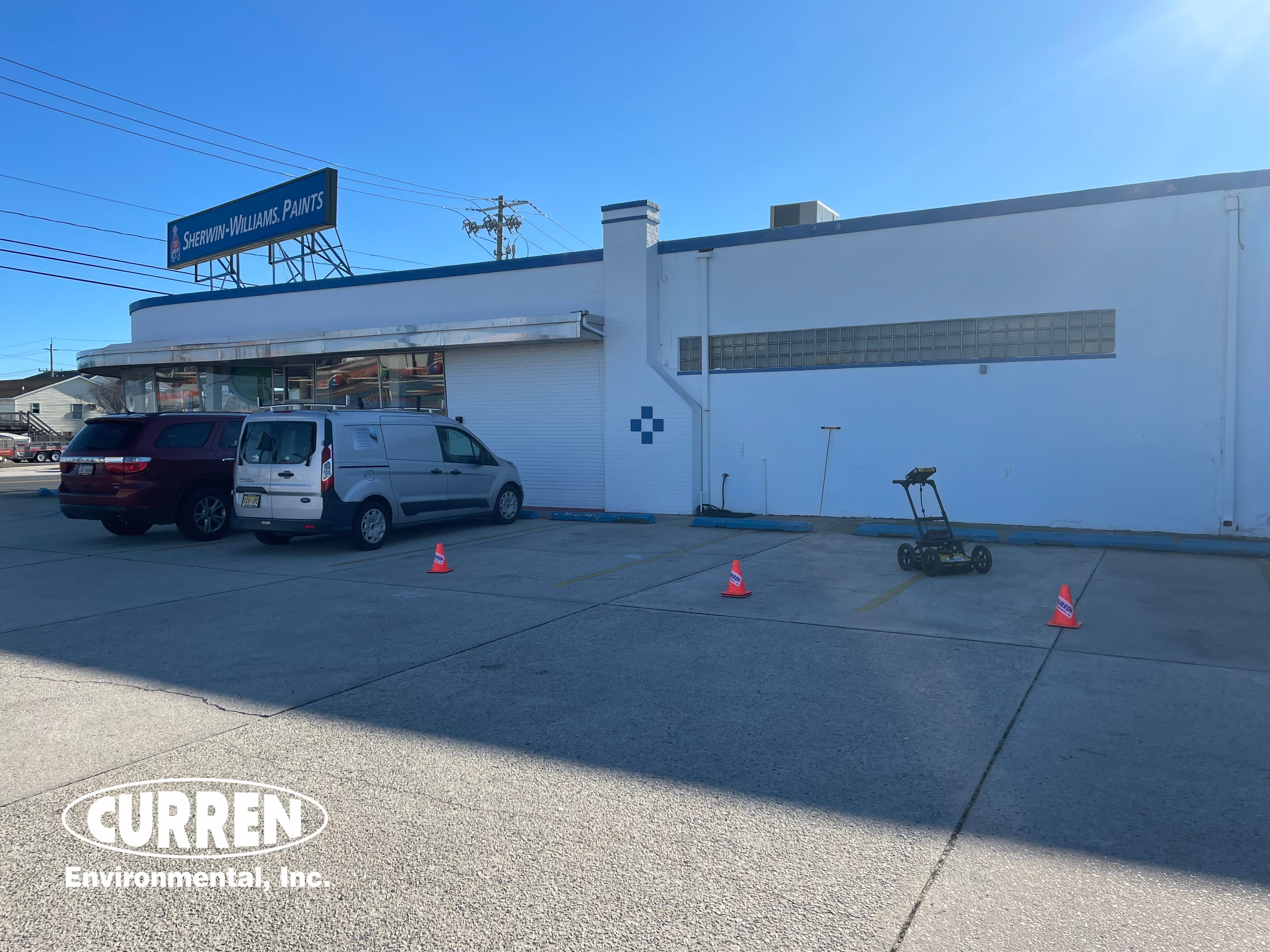
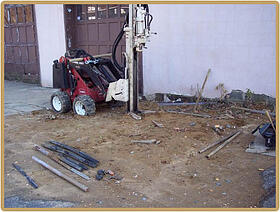
While a Phase I needs to be performed by an environmental professional with experience and training a Phase II typically requires drilling and testing equipment. Curren Environmental owns and operates drilling, GPR, metal detectors and testing equipment necessary to quickly and cost effectively complete a Phase II. Without having to subcontract services needed for a Phase II, our clients realize a savings of in house work with no subcontractor markup.
A Phase II Can Include
Geophysical Survey
(Ground Penetrating Radar - GPR)
Metal Detector Sweep
Soil Testing
Groundwater Sampling
Test Pits
 Vapor Intrusion Evaluation
Soil Testing
Exploratory Excavation
Groundwater Testing
Mold Testing
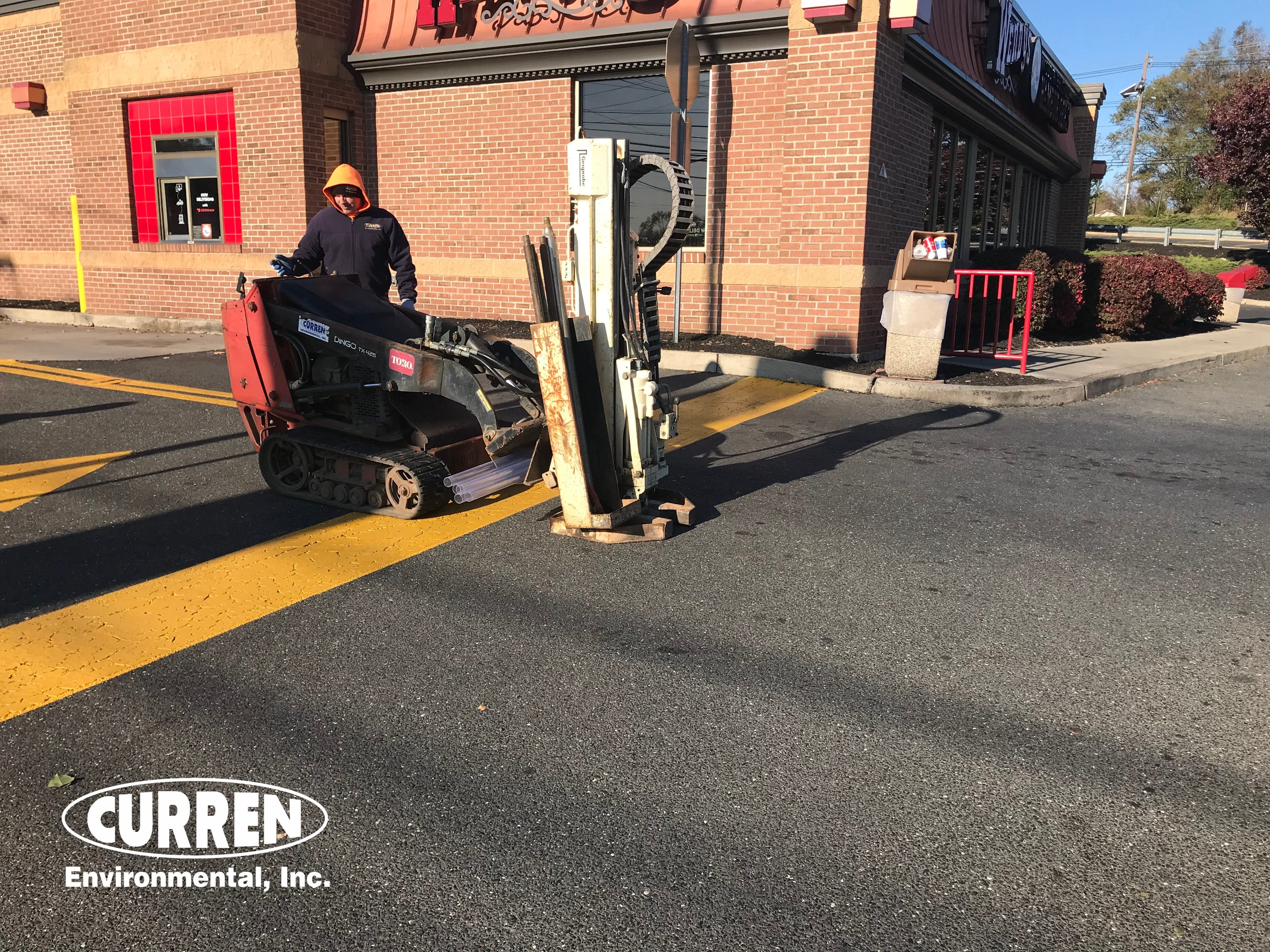

Where a Phase I is a paper research and physical inspection of a property, a Phase II typically involves physical evaluation and/or testing at a property.
Free Initial Consultation
888-301-1050
What could a Phase II test for?
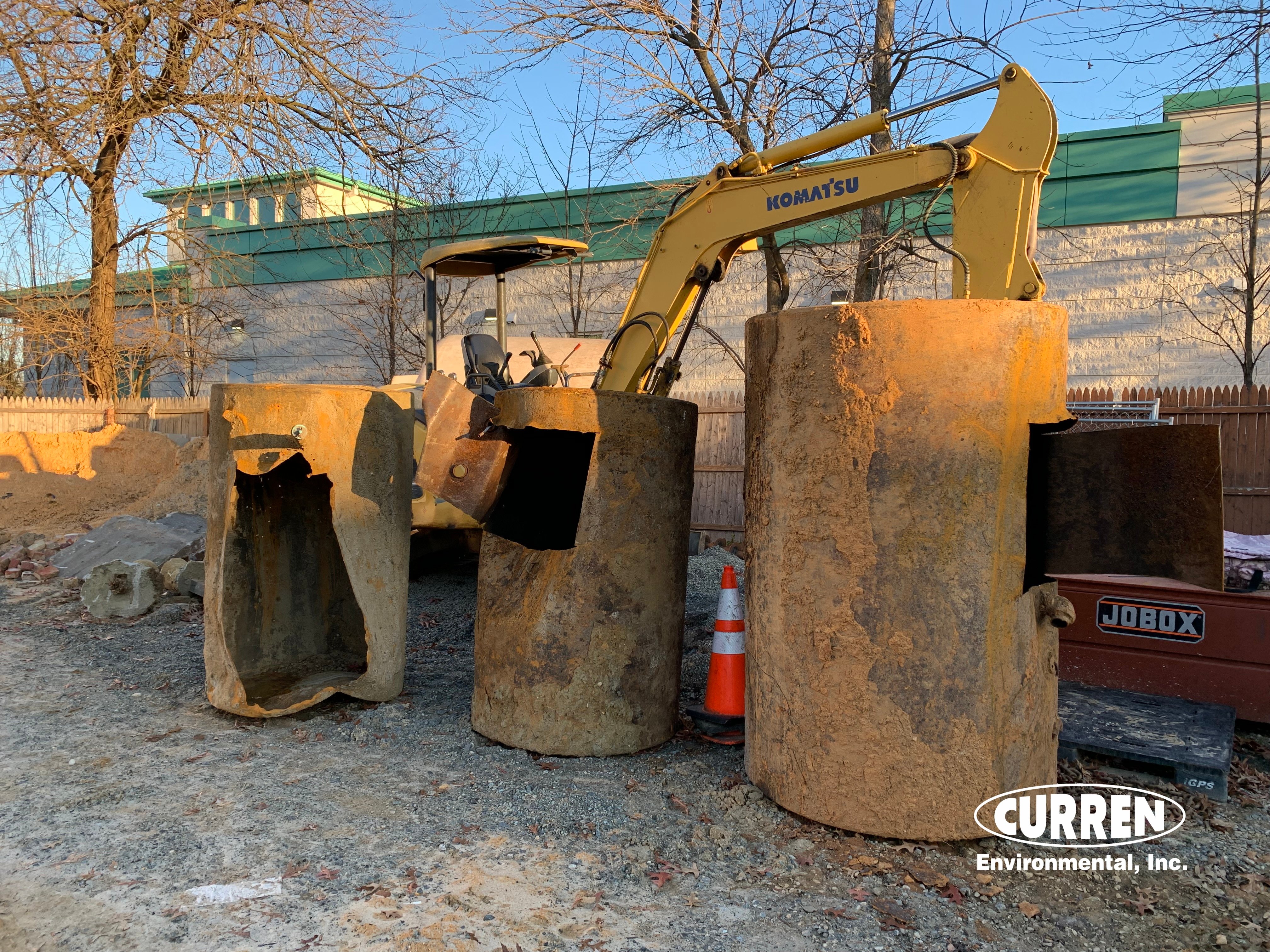
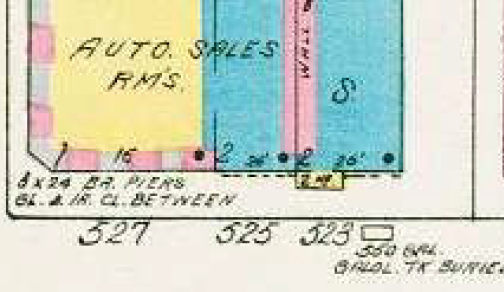
A Phase II is performed to help answer questions that arise in a Phase I such as, are there buried tanks; does contamination exist from past operations at the property? To answer these questions, a Phase II may include a metal detector survey or Ground Penetrating Radar (GPR) survey of a property to locate suspect Underground Storage Tanks (USTs). A Phase II may also consist of advancing soil borings to collect both soil and groundwater samples from the areas of a property where contamination may be present, based on the Phase I report. For example, the tanks found in the Phase I can have soil and groundwater testing performed to assess for contamination.
Investigative soil borings are collected in Environmental Areas of Concern (AOCs) as listed in the Phase I. The samples are collected by experienced project managers following State and Federal regulations with the samples collected shipped to a laboratory for independent analysis.
A Phase II ESA report should describe the investigative activities completed, detailing soil borings performed, environmental phase II and the soil and ground water analytical results as compared to applicable state standards. Conclusions are then drawn from the data collected. If conditions are identified that may require remediation the recommendations section of the report will discuss options available as well as costs for addressing each Area of Concern. A Phase III will follow a Phase II if additional work is required.